
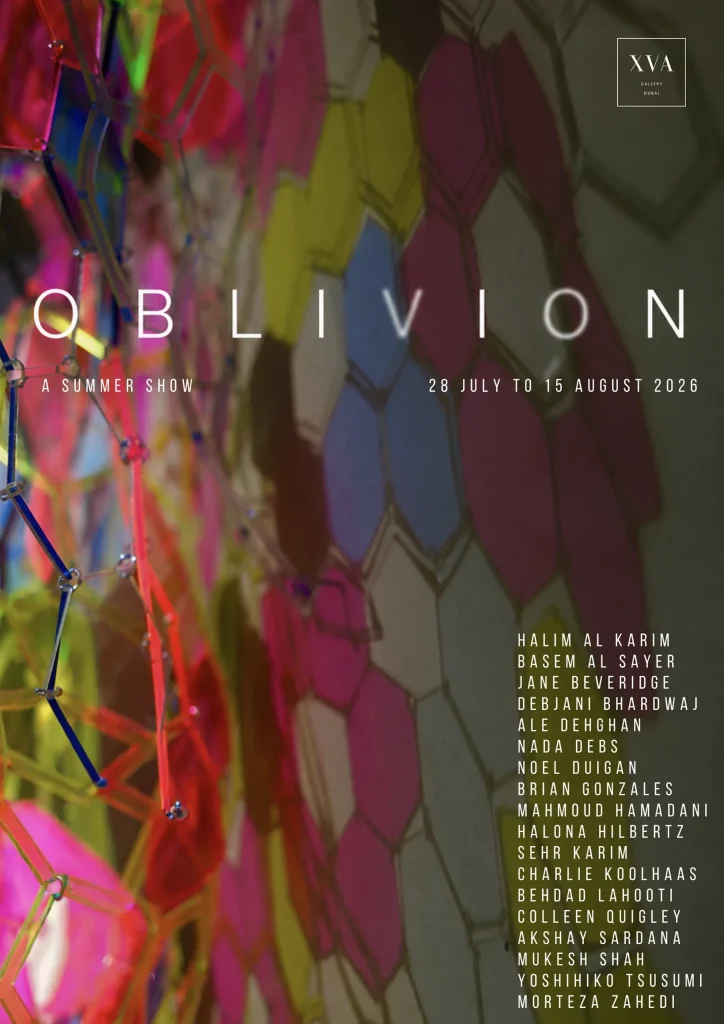
Oblivion
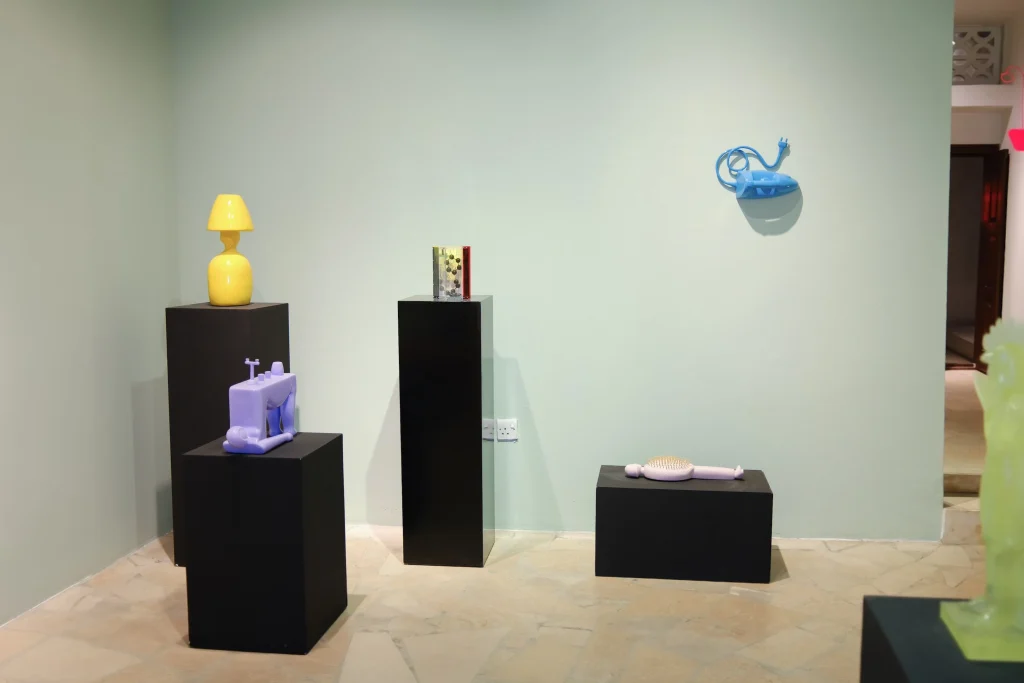
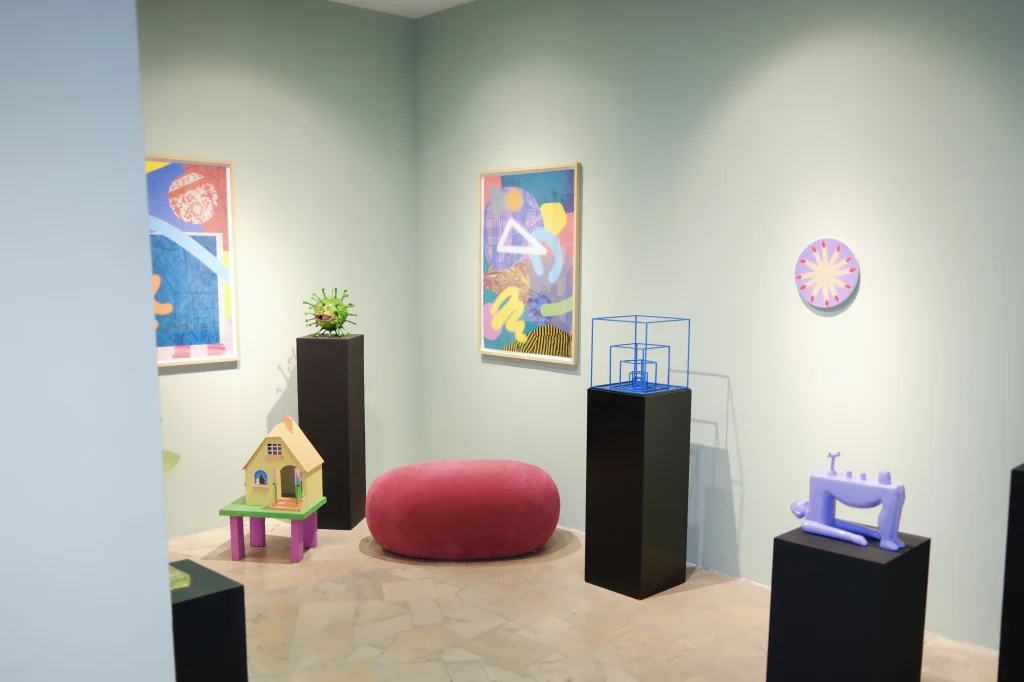
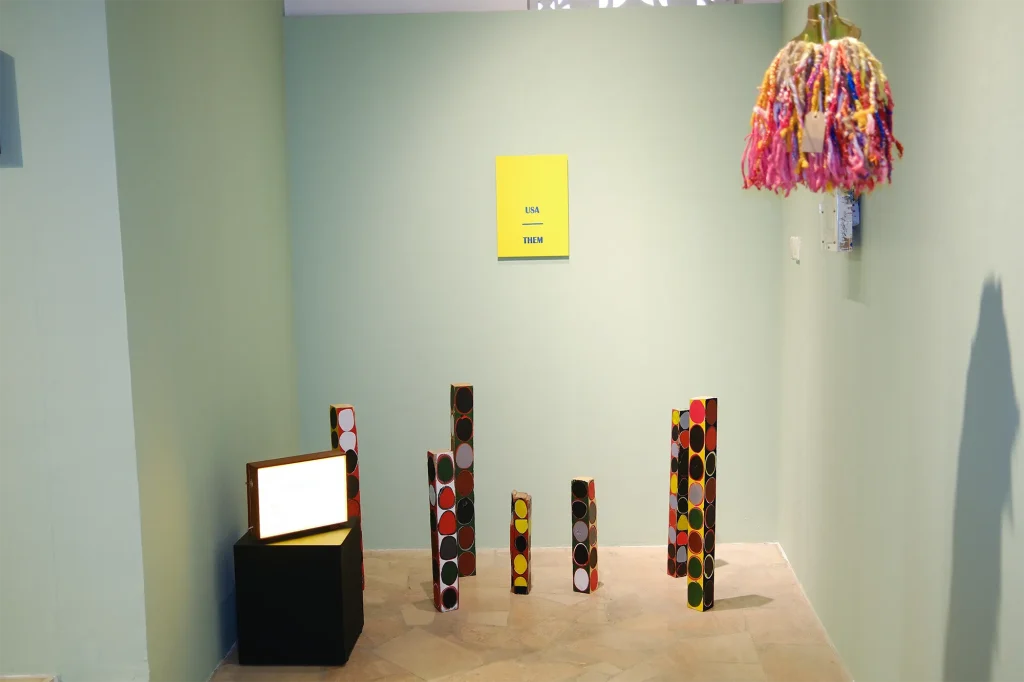
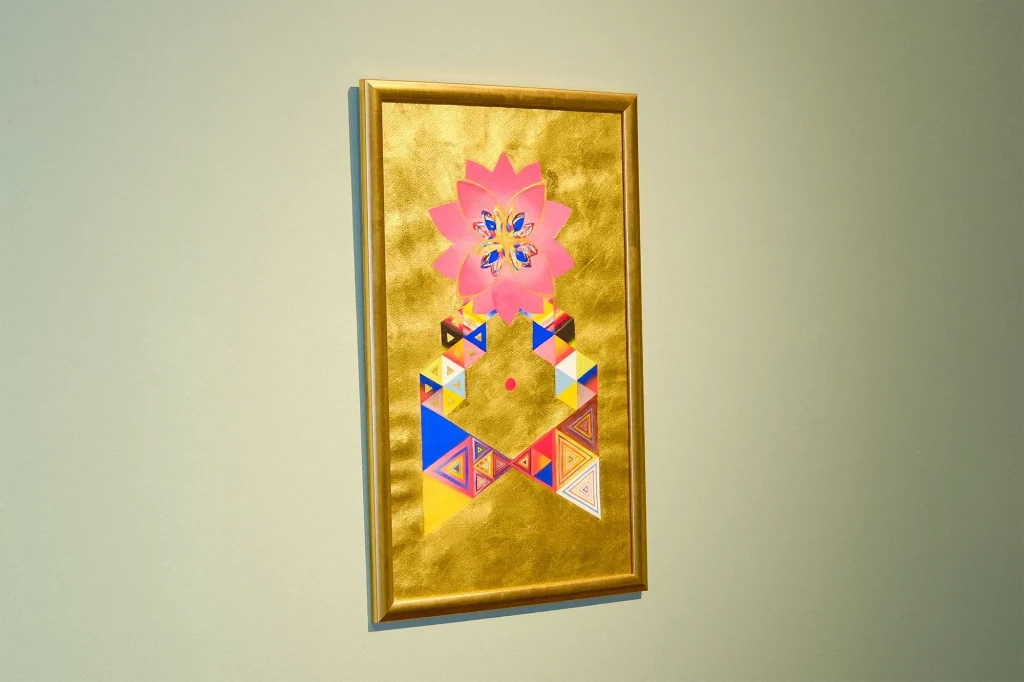
To forget is not only to lose. Oblivion is also where the mind makes room; clearing space for what matters now, letting go of what no longer serves. The works gathered here treat forgetting as a generative act: a hairbrush, an armchair, each object caught mid-transformation, shedding one meaning to make way for another.
Working across metal, textile, found and fabricated materials, the artists in this exhibition ask what becomes possible once memory stops holding on so tightly. Domestic and bodily objects are freed from their original function, made strange, playful, ornamental, evidence not of loss but of renewal, of a self continually remaking itself. Nothing here mourns the past. It repurposes it.
Forgetting, in this light, is less erasure than editing: a structural condition of how identity stays alive, how history keeps moving, how images and objects find new use once their first purpose has passed. What remains in these works is not absence but possibility: gesture freed from context, object freed from owner, form open to whatever meaning arrives next.
The exhibition in view.
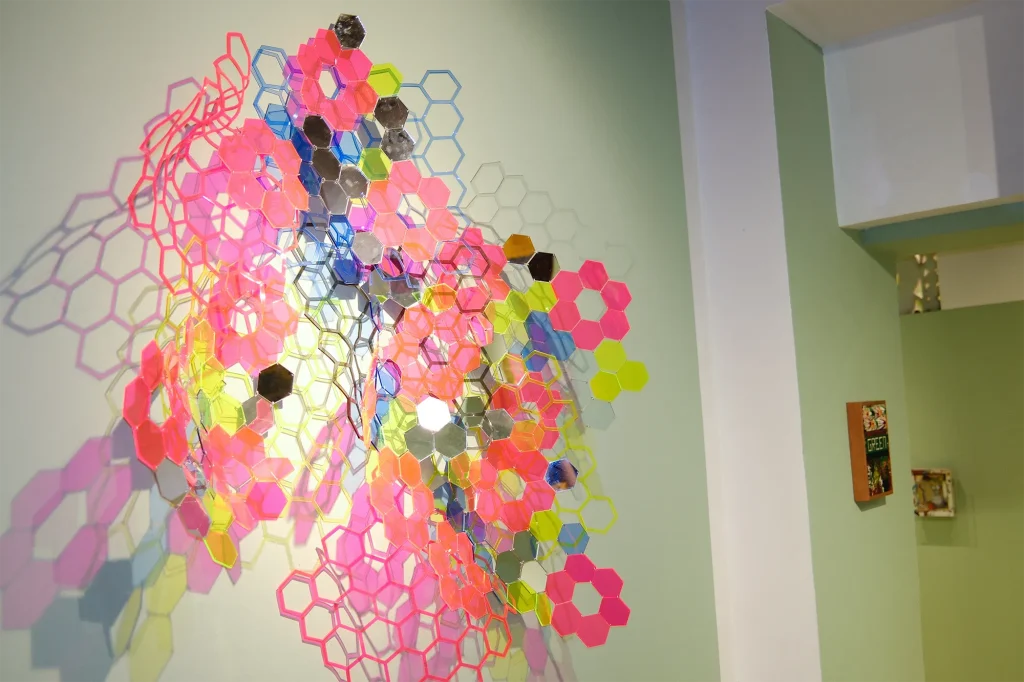
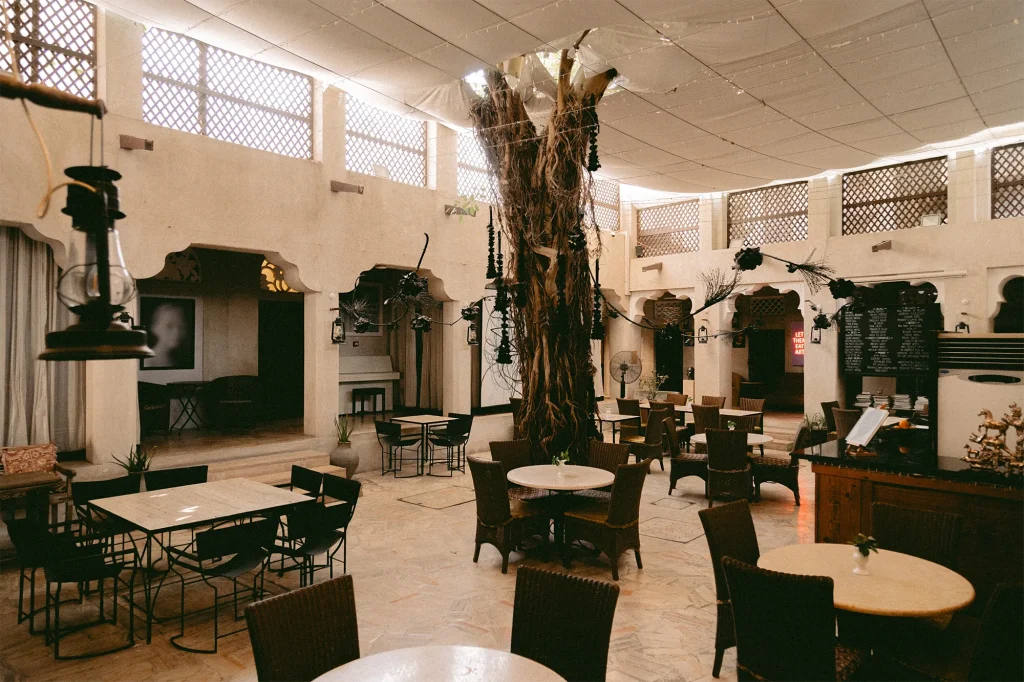
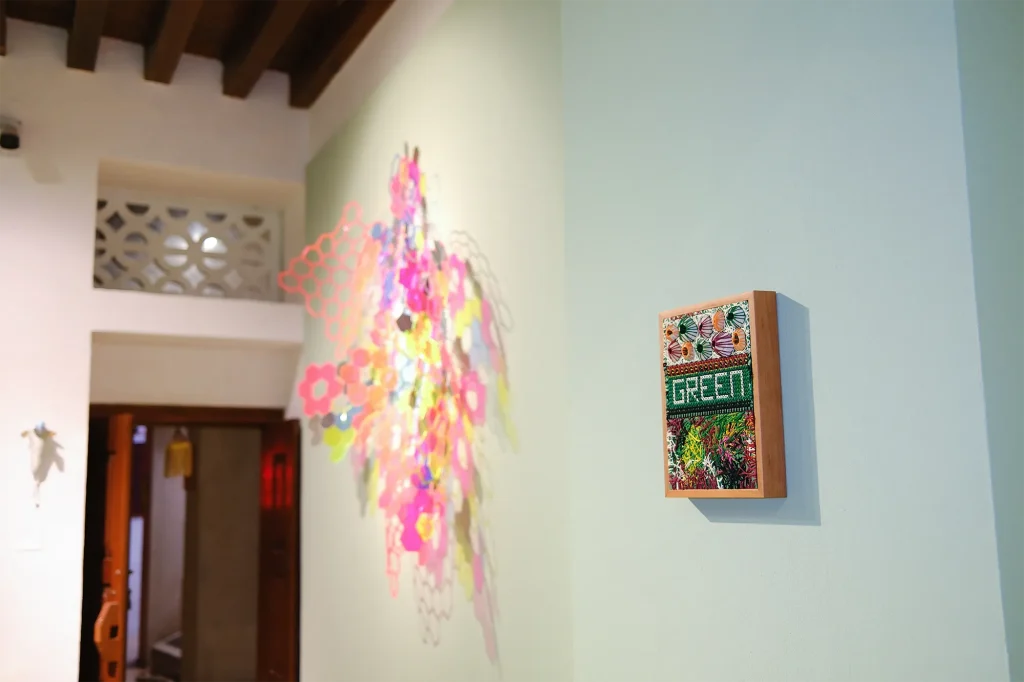
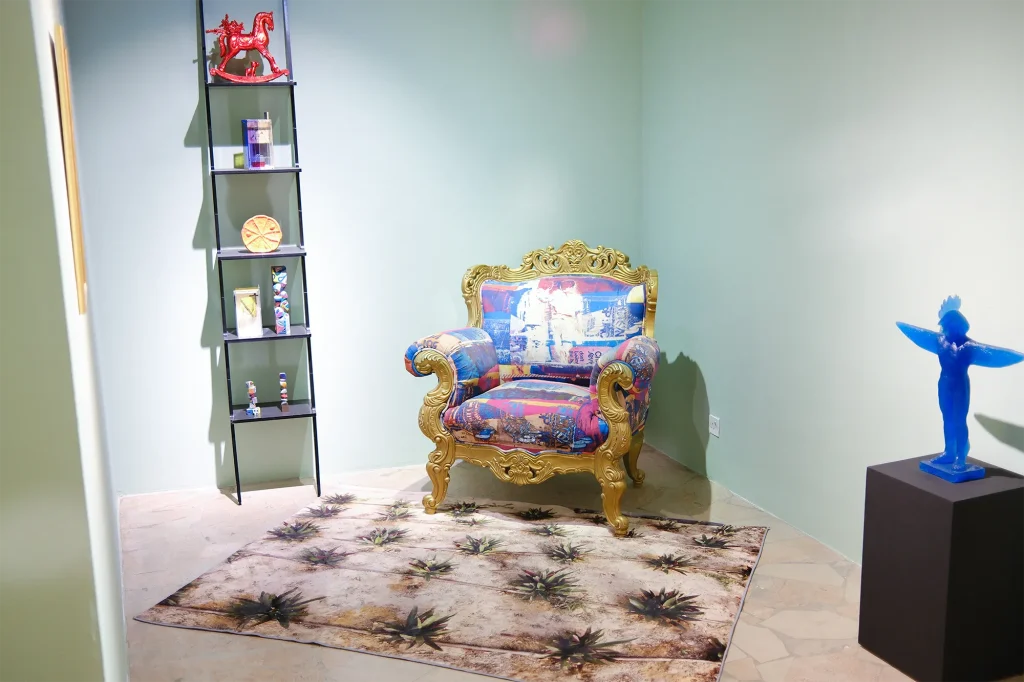
After the Image
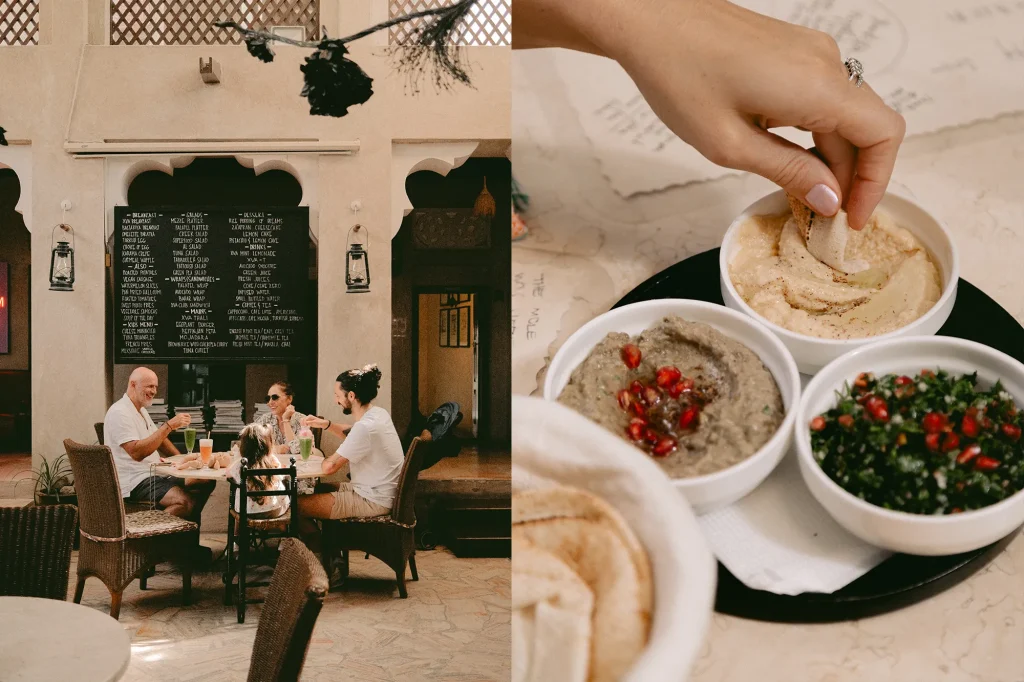
At XVA Art Hotel, Charlie Koolhaas presents After the Image, a project that turns one of the hotel rooms into a lived-in archive of Dubai’s architectural past.
Moving between a hotel room installation and a gallery presentation, the exhibition brings together photography, textiles, sculpture, and everyday objects drawn from Koolhaas’ long-term research into the city’s changing urban landscape.
Charlie’s photographs record Dubai’s architectural history through the details that are often passed over: facades, tiles, patterns, textures and surfaces. She then transforms these images into sculpture, clothing, furniture and objects, bringing fragments of the city’s modern heritage into the room, the hand and onto the body, giving them another life beyond the photograph.
XVA Art Hotel has its own place in this history. As one of Dubai’s early contemporary art spaces, set within the heritage architecture of Al Fahidi, it sits between preservation and experiment, between the old city and the cultural scene that grew around it.
In After the Image, the room itself becomes the archive. Rather than treating the archive as something sealed away, the project makes it porous, domestic, and alive.
This project is supported through the Modern Heritage Grant Program, an initiative by the UAE Ministry of Culture, in collaboration with Zayed University and Majra – National CSR Fund.

The exhibition in view.
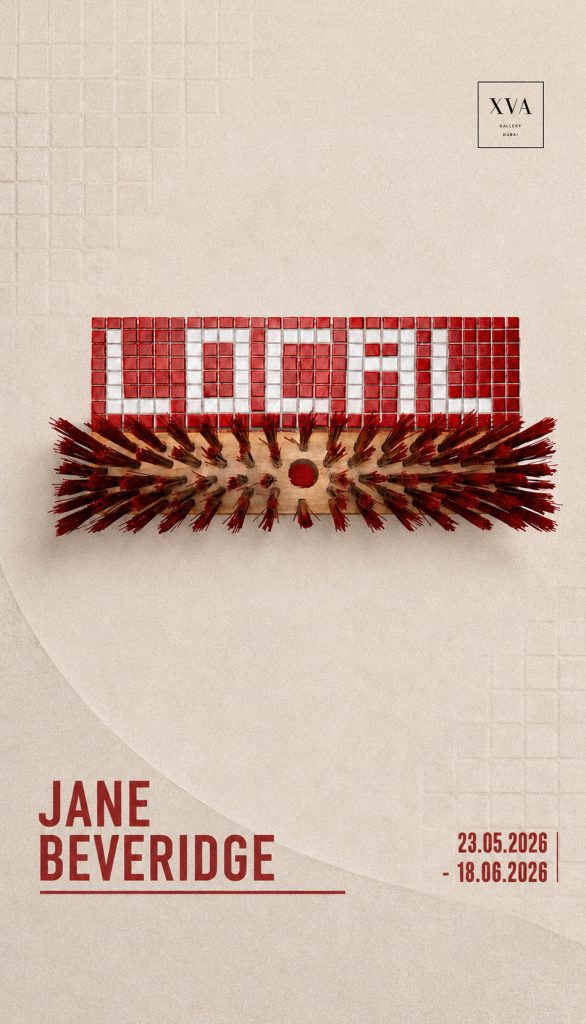
LOCAL
Artist Statement
Swimming pools and construction sites. Dusty DIY stores and haberdasheries. The kind that have been there forever – or at least since 2002, when I arrived in Dubai. Jam-packed from floor to ceiling with thread, fabric, tools, and brightly coloured domestic objects, these spaces are crammed with possibility. They are often overlooked in a city best known for its malls and extravagance, but they are among my most cherished places in Dubai.
DUBAI is a five letter word, as is LOCAL. For years, I have been collecting five-letter words – from TRUST to TRUTH, VOICE to GRACE, ALIVE to TOUCH. Five is the limit of complexity for the human mind, according to mathematician Frank Ramsey. Beyond that number the thresholds for order grow at an extraordinary rate – faster than exponentials, faster than anything we can compute. My background in Graphic Design, studied in the 1990s, instilled in me a lasting fascination with the form and meaning of letters, numbers, and words; the emotional power of language intertwined with the visual power of art.
Beyond this, my visual palette and material inspiration are rooted in the streets. I am drawn to the beauty of cracked, stained, and weathered walls as well as surfaces patched with plaster or paint – they read like large abstract paintings. Corrugated cardboard, concrete, sand, rust, tangled wires, weathered wood – all find their way into my work, each carrying a story of time, place and texture.
I am captivated by the ordered mosaics that line swimming pools. Much like swimming lengths of a pool, repetition is central to my practice. The rhythmic act of gluing tiles or stitching, wrapping, knotting – repeating the same gesture over and over – becomes meditative, a quiet form of devotion. Whether working with paint, string, fabric or mosaic, I am fascinated by pattern, rhythm, and the quiet persistence of making.
Bio
Born in Edinburgh in 1976 and raised in Hong Kong, Jane Bailey Beveridge is a visual artist and dedicated art educator based in Dubai. She studied Graphic Design and Fine Art at the University of Brighton, graduating in 1998. In 2002, she joined the Art Department at Dubai College, where she has served as Head of Art since 2007.
Her work is informed by a background in Asian contemporary culture and graphic design, which fostered a lasting fascination with the form, symbolism, and emotional resonance of language. This interest is further shaped by the urban landscape of Dubai, particularly its ever-present construction sites. Drawing on these influences, Beveridge creates mixed-media assemblages that combine painting with mosaic, textiles, found objects, and concrete. She often refers to these works as “five-letter-word adverts”, exploring the intersection of language, materiality, and visual impact.
The exhibition in view.
White
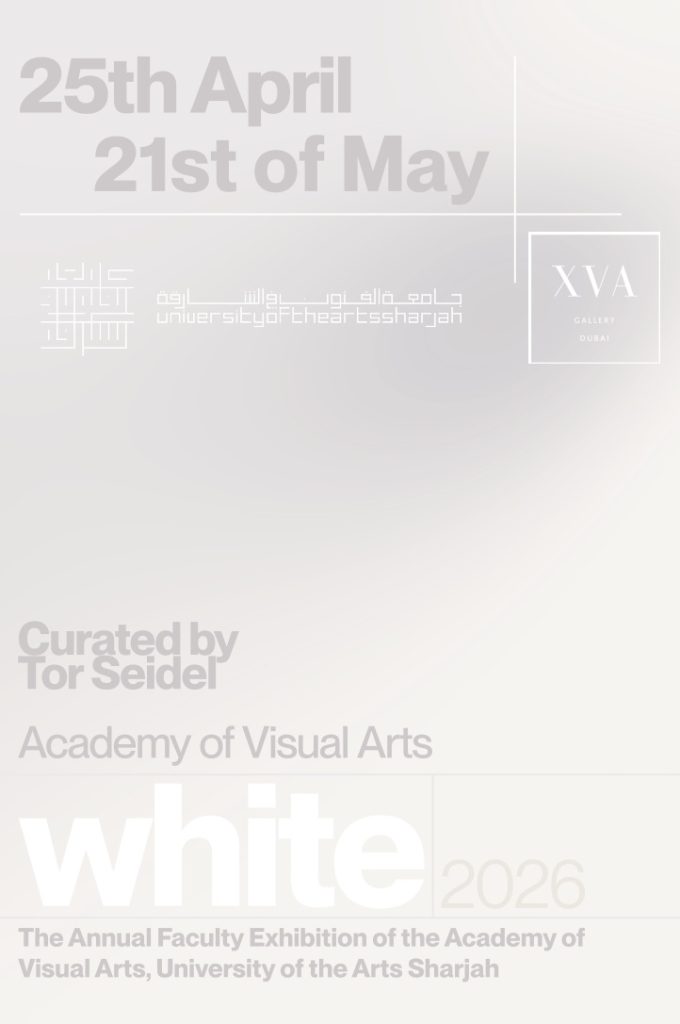
XVA Gallery Dubai, in partnership with Professor Tor Seidel (Curator) presents the Academy of Visual Arts University of the Arts Annual Faculty Exhibition, on view from April 25th
The exhibition in view.
Fractal
Coming up at XVA Gallery – Fractal, by Huma Shoaib
Join us from February 07th to March 05th, 2026 for an exhibition that explores chaos as fractal paradox; where perfect, infinite patterns of existence, spirituality and free will will repeat across scales, blurring the line between divine order and self-destructive conflict.
Curatorial Text
The chaos that we’re living in, is it really chaos? Or is it a simple idea repeated infinitely? Causing an illusion of complexity thus giving way to chaos.Fractals are infinitely complex patterns that are self-similar across different scales. They are created by repeating a simple geometric design that can be scaled up or down.We know that the structure of existence develops on fractals, be it hidden to the eye or at a cosmic level. As per spiritual concept this presence of fractal construction gives way to the notion of divine being present in every level of reality. There is a sense of perfection and infinity which resonates with One single entity that creates this vastness.
The question arises at this point when everything is being created on a perfect design, then what gives way to chaos. Humans are a part of fractals. Our anatomy, our brain, our biological functions work in a systematic pattern, then how does the desire for destruction and exploitation enter this intricate system? Maybe this is where free will comes in where the structure of fractals becomes complex and turns into chaos. Some theories, like the “Fractal Theory of War,” propose that social and psychological dynamics mirror the brain’s recursive patterns. This suggests that the same drivers of conflict at a small scale (e.g., interpersonal rage) are reflected in large-scale conflicts (e.g., war between nations), making war a self-similar pattern of behavior. At this point this whole idea seems like a paradox.Perfection and destruction.Huma’s work tends to go through the process of breaking down this chaos into simple fractal structure. The correlation between spirituality and fractal fabric is basic. Stripping the chaos into nothingness of one’s existence. Similar to the sufic ideology letting go of your ego and your self to become one with the divine. The action of shredding pages from books on war history and realigning mirrors this sufic ideology. In parallel breaking down the poetry text from words into letters and Nuqta (dots) is yet part of the same process.
Artist Statement As the 17th century Punjabi sufi saint and poet, Bullhay Shah said, “The whole essence lies in the nuqta (dot)” In this instance ‘dot’ refers to the minimality of existence.Age-old beliefs have been glorified and evolved over a period of time in order to feed to certain ideologies and facilitate larger agendas. By using various sacred, religious and political symbols I tend to explore the similarities between different belief systems and political motives.
Significantly influenced by sufi ideologies, my work visually rests as serene and meditative in parallel to the disturbing questions of division and social hierarchy arising from them. Interchangeably, sufi teachings are generally identified as highly individualistic and harmonious practices while being on the contrary- Observing the sporadic existence of dervish from the rise of sufism centuries ago,having being taken a vow of selfless love and distancing from the norms of society, they were and until now are deemed as controversial figures. Their presence brings uneasiness in social settings and questions the elaborate ways of the tediously complicated belief system. Similar to the silent uneasiness I try to achieve through my practice. Manifesting creatures like bees, birds and fish as symbols for their inter-religious references, geo-location and life cycle. Ornate and complex geometric drawings hailing from centuries of tradition of being adorned with natural pigments and organic materials, whilst I choose to treat them with fluorescent colors that are industrially made and artificial in nature implying towards the need of beliefs becoming more synthetic and fabricated rather than being the innate desire to be spiritual and organic. Consistently moving between these ideas the imagery stands as a metaphor and holds a multitude of meaning. Actions like shredding and restructuring pages from history books on war, reducing words from letters to dots (nuqta). Coming forth as a process of unlearning a plethora of information being fed over a period of time. In totality my practice melts down to a consistent effort in breaking down or simplifying the complexity of fabricated information into the importance of one single entity. One minimal existence that contains all.
The exhibition in view.
The Truth
Coming up at XVA Gallery – The Truth, by Hussein Al Mohasen
Join us from January 10th to February 05th, 2026 to explore how visual art can reveal truth, inspire hope, and connect people through colour, poetry, and expressive techniques.
Vernissage on January 10th from 3 to 6pm. See you at XVA!
Curatorial Text
I believe that visual art is an important medium to make people see and perceive the truth. I tried to express my thoughts and feelings of peace and the love of humanity in a different colourful perspective of seeing things.A piece of visual arts plays a big role in our lives, sometimes looking at a cover magazine and its title inspires the artist where he starts constructing images in his mind and just goes along with living this experience; reaching an area where he needs to visually communicate.
With my new body of work I am trying to reach what is beyond reality, to go where I want the viewers to experience a visual journey, which makes them see reality in a hopeful, peaceful, manner; even if reality, sometimes, is not as desirable as we want!
Colour and poetry are very important in my work, where the different connotations associated with certain poetry, text in different languages and colours beautify what I am trying to convey through art. I personally find graffiti very inspiring. Seeing the impact it leaves on people from all around the world, a huge impact is obtained with only a few words being sprayed onto walls. I find the physicality of creating this type of art is highly liberating, as well as the spectrum of colours I set into my palette.
Bio
Visual artist Hussein Al Mohasen (Qatif, Saudi Arabia, 1971) has been active in the art world in the Gulf region since his first appearance in 1999 at the Al-Janadriya Festival in his native Saudi Arabia, where he has since then occupied a place alongside the pioneering Saudi artists. Al Mohasen’s work, characterized by a singular dialogue between the audience and the artist, conceives of images and visual environs as a series of surgical incisions, cutting open the theater of horror and comedy, called the Middle East, into frozen frames. But these images are never static; Al Mohasen’s sharp-colored stenciled images translate into continuous and extended narratives of experiences that not only describe the world, but actively participate in it.
In his most recent body of work, the Saudi artist has moved away from abstract surfaces into symbolic and iconographic imageries, reflecting now the endless transitions of the contemporary between digital and real, political and social, private and public and the continuous transformation of the Gulf region, alternating a liquid modernity with solid traditions and histories. Unlike other artists in the Middle East experimenting with graffiti, Al Mohasen understands the acute sense of irony with which pop art was riddled since the outset, and has incorporated his humorous reflections into the altogether tragic narratives of Arab history. His work is both conceptual and liberating, drawing on art from the public space, but executed here with the fine precision of a cartographer. Behind the obvious simplicity of his works, lurks a decades-long journey shaped by poetry from the Arab world and the complex intersections between modern spaces and personal freedoms. Al Mohasen’s work is visually global and overcomes regional paradigms, presenting the contemporary Arab experience after the fashion of the poetry and music that inspired him: In the end, we all speak the same language. Hussein Al Mohasen’s work has been exhibited all over the Middle East since 1999. His most recent solo and group exhibitions have been held in Bahrain, Kuwait and the United Arab Emirates.
The exhibition in view.
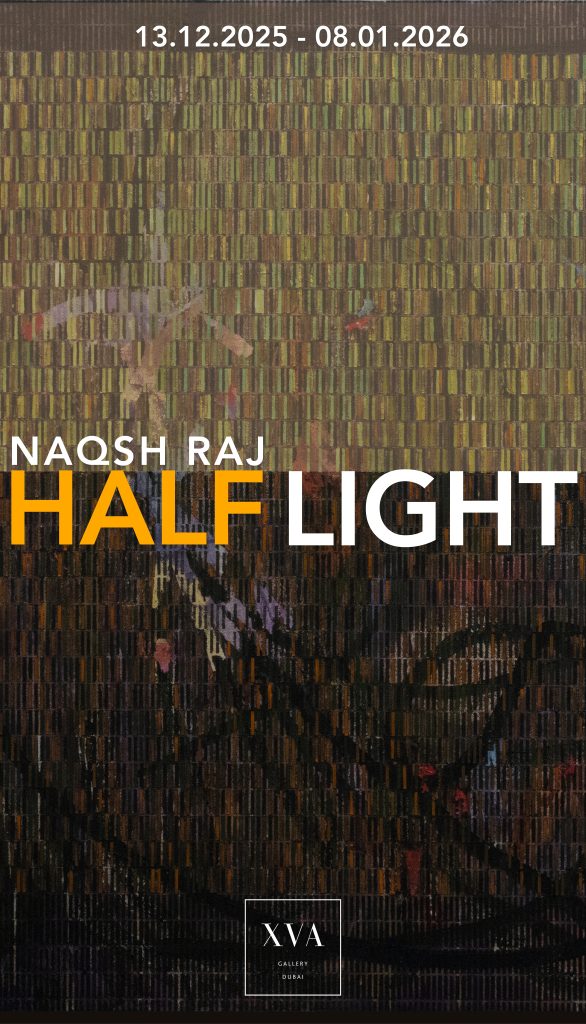
Half Light
Join us from February 15th – March 20th, 2025 to be immersed in the serene beauty of the Gulf’s mangroves, celebrating their vital role in protecting wildlife, coastlines, and the delicate balance of nature.
“Symphony of the Wetlands” invites you to embark on a captivating journey through the enchanting world of mangroves that grace coastlines around the world, with a special focus on the rich ecosystems of Southwestern Asia. This exhibition is an ode to these vital ecosystems, celebrating their inherent tranquility and the intricate tapestry of endangered wildlife thriving within their protective embrace.
The artwork transports you into the serene and lively corridors of the grey and white mangroves, where life thrives with the ebb and flow of the tides nurturing the roots of the Avicennia marina, to the vibrant choreography of birds, fish, crustaceans, and mammals that find sanctuary from the sun’s intense gaze, each element contributing to the ecological opus.
Their intricate root systems secure shifting sands, protect shorelines from constant waves, prevent erosion, and support biodiversity. These saltwater forests conduct a vital symphony of life and sustainability, echoing the importance of preserving such wonders of nature in the face of environmental challenges.
May “Symphony of the Wetlands” inspire contemplation and action, encouraging us to safeguard and honor these remarkable ecosystems, ensuring their ecological melody continues to resonate for generations to come.
About the Artist
Solimar Miller is a multidisciplinary artist based in Dubai, whose work is deeply influenced by the environment and the ecological changes reshaping the landscape. Her practice focuses on documenting indigenous tree species facing endangerment due to urban development, climate change, and natural disasters. Through observational drawings and a range of processes, she creates paintings and hand-silkscreened artworks on diverse materials, including upcycled textiles hand-dyed with indigenous tree bark, branches, and leaves. In December 2023, Jameel Arts Center commissioned Miller to create twelve large artworks for the sustainable pavilion ‘Tarabot: Weaving a Living Forum,’ which runs until 2025. Her art was also showcased during her residency with Bloomberg Philanthropies at COP28 UAE 2023, with works displayed at Emirates Towers, DIFC, and EXPO. Miller’s recent exhibitions include ‘Perspectives’ at Capital Club in 2024, a charity event at Capsule Arts, and an exhibition with Iris Projects for Architectural Digest x Jubail Island, Abu Dhabi.
She debuted her first solo exhibition, ‘Witnessing Us,’ at XVA Art Gallery in 2023, and has exhibited at the Middle East Institute Art Gallery, FIT Art Gallery, Tashkeel Studio, and other venues. Her work has been featured in prominent publications like the Washington Post, Canvas, and Wallpaper. Miller is also an accomplished designer, having created original works for brands like Fendi and Stark Carpet, and her art can be found in luxury properties around the world. With a Bachelor of Fine Arts in Textile Surface Design from the Fashion Institute of Technology and studies in Illustration at Parsons School of Design, she has received numerous accolades, including being nominated for The Salama bint Hamdan Emerging Artists Fellowship and shortlisted for The Art Circle Award in 2024.
The exhibition in view.
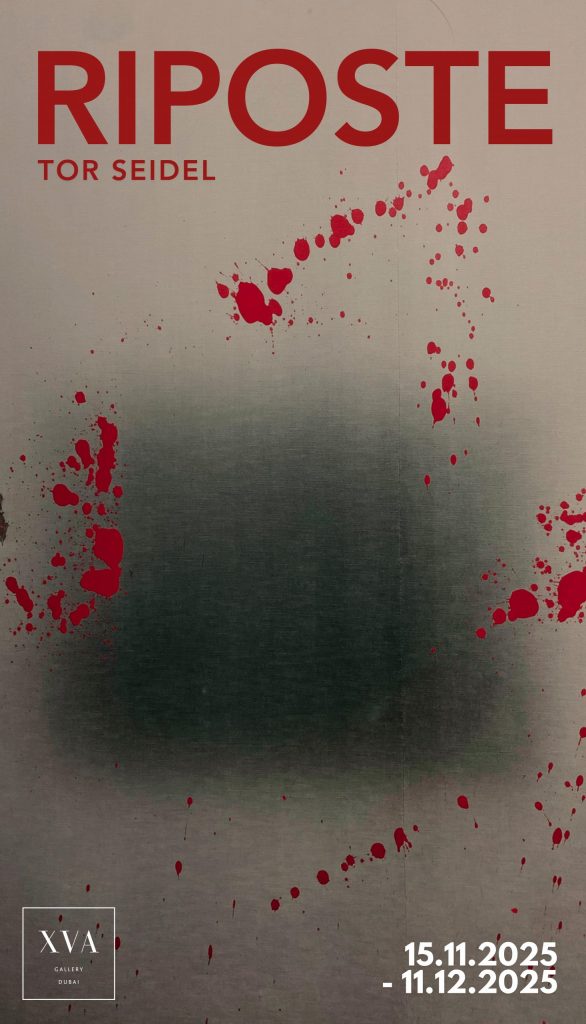
Riposte
Curatorial Statements
Since the 1990s, environmental activists have repeatedly damaged works of art in museums in order to draw attention to climate change with nonsensical arguments and accuse stunned museum visitors of inaction. The exhibition and an accompanying research project examine whether these attacks can also be considered performative acts of art. These take place in the sacred space of a museum, where the attacks – with paint and liquids – temporarily alter classic works and often require restoration. In his work, Tor Seidel focuses on the protagonists’ actionism, the shock or entertainment value for visitors, and the professional dissemination of videos of the attack groups on the internet. This leads him to conclude that these are not only ambivalent forms of protest, but also independent artistic acts. With paint bombs and soup, the actors succeed in transforming significant works of art in unexpected ways and creating new experiences within the museum environment. Actionism challenges the common perception that classical art and museum spaces are sacrosanct and expands the concept of art – it takes art as action out of the predictable white cube and into the spontaneous spaces of society, transforming the museum into a stage for activist performances.
Tor Seidel reconstructs some of these attacks in three phases: a reenactment of the scene following the attack, collecting statements from those involved, and transforming the defacement into a new piece: the alteration has been manifested. Therefore, the transformation into a new work is postulated: the change, whether lasting a few days or months during a complex or straightforward restoration, means that the work has been forever altered by the presence of the videos filmed during the attack. Its transformation implies a new context of meaning that cannot be obscured.
About the Artist
Tor Seidel is a German artist, curator, and lecturer with extensive experience teaching art at universities, as well as in the gallery and exhibition sectors. He is also active as a filmmaker and author of art books, having published works on the UAE, including “The Dubai” (Hatje-Cantz 2015) and “Mannequins” (Kerber 2018). He has exhibited in numerous cities, such as Paris, Dubai, London, Miami, Berlin, Sharjah, Athens, and Venice, among others. Another artist book by Tor, titled “In Uncharted Territories” (2021), was published by Kerber Verlag and accompanied his first institutional solo exhibition in the UAE at the Maraya Art Center in 2020. Tor has received several awards, including the 2017 Syngenta Photo Award, and nominations for the German Photo Book Award in both 2015 and 2018, and the Xposure Photographer Award in 2023. He participated in the UAE Unlimited exhibition Tashweesh 2019, a collaboration with the Maraya Art Centre. He continuously curates art exhibitions in galleries and institutions, such as the Maraya Art Centre in Sharjah and the Xposure International Photography Festival. Currently, he has been a lecturer at the College of Fine Arts and Design at the University of Sharjah, where he is responsible for courses in photography and video art within the Fine Arts and Media Design Program.
About XVA Gallery
XVA Gallery is one of the leading galleries in the Middle East that specializes in contemporary art from the Arab world, Iran, and the Subcontinent. Exhibitions focus on works by the region’s
foremost artists as well as those emerging onto the scene. The gallery’s artists express their different cultural identities and perspectives while challenging the viewer to drop prejudices and borders. XVA Gallery and XVA Art Hotel are located in Dubai’s heritage district, now called Al Fahidi Historical Neighborhood. XVA founded and organized the Bastakiya Art Fair from 2007-2010 as part of its commitment to raising the profile of contemporary art practice in Dubai. ***[/vc_column_text][/vc_column][/vc_row]
The exhibition in view.
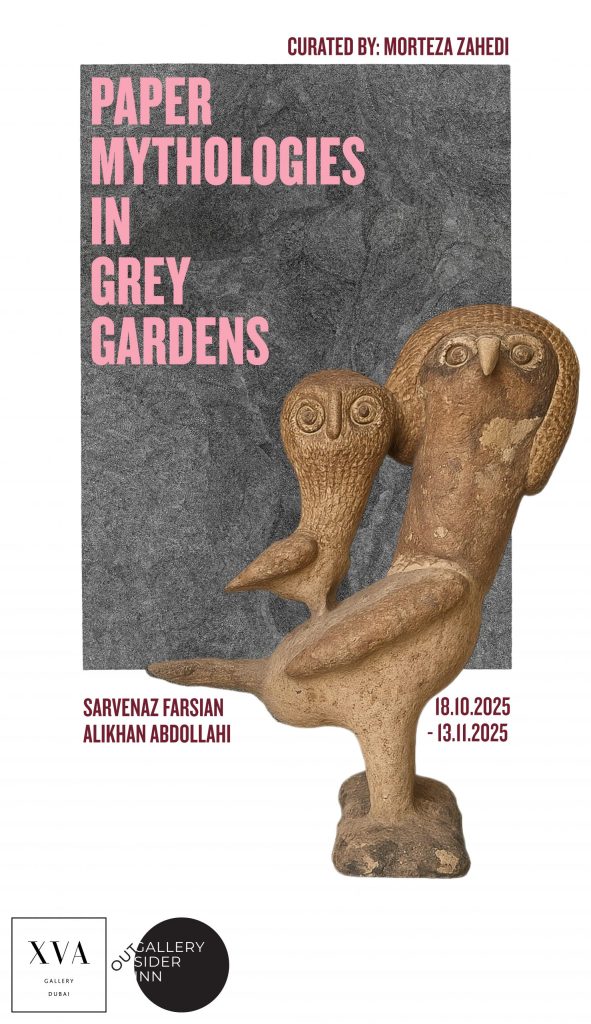
Paper Mythologies in Grey Gardens
[vc_row][vc_column][vc_column_text]
Curatorial Statements
Paper mythologies in grey gardens
This exhibition takes us into a world that at first appears fragmented and unrelated — a place where myths have turned into fragile paper remnants, and gardens have become grey, silent spaces that archive absence. What may initially seem meaningless is, in fact, a structure where form has replaced meaning.
Here, meaning is neither discovered nor proven; it is constructed through gaps, silences, and absences. Narratives are not created to resolve problems, but to live with them. Each fragment and each pause offers a chance to re-read meaning — a meaning that emerges and evolves throughout the course of the exhibition.
The viewer is not a mere interpreter, but rather caught in the interplay between meaning and meaninglessness. Not understanding becomes the beginning of understanding. This exhibition reveals how meaning takes shape within disorder and dissonance — where the absence of structure becomes the very condition for its creation.
Paper Myths, Grey Gardens suggests that meaning is neither found nor fixed, but made — from the same apparent meaninglessness that, over time, becomes part of reality itself.
Morteza Zahedi
August 29, 2025
About the Artists
Sarvenaz Farsian
Born in 1984 in Tehran, Sarvenaz Farsian is the heir to a precious legacy from a distinguished lineage of Iranian jewelers—an artistic heritage reaching back over three thousand years, fl ourishing in the Achaemenid and Sasanian eras, revived with new spirit in the Islamic period, and renewed again in the Safavid and Qajar dynasties. This legacy—an interplay of exquisite refi nement and creativity—resonates deeply in Sarvenaz’s paintings, where motifs and patterns of jewelry emerge in living lines and colors, telling a silent story of continuity, unity, and beauty.
The decorative motifs of Iranian art embody unmatched precision and elegance, transcending visual beauty to carry profound philosophical meaning—refl ecting the Iranian worldview and the seamless dialogue between art and nature. Sarvenaz’s works echo this potent tradition, blending heritage and innovation into a timeless narrative of aesthetic endurance.
A self-taught artist, Sarvenaz regards painting as more than image-making; it is a profound, unconscious act—a meditative ritual that dispels daily cacophony and heals unseen wounds of the psyche. Every stroke is a message from within—a search for self-understanding and a reimagining of continuity upon the receptive canvas. Her work stands between the unconscious and conscious mind, a philosophical journey toward inner freedom and renaissance.
When her brush meets paper, she is submerged in the boundless realm of creation. This process goes beyond producing art—it is liberation from the constraints of time and self. In these moments, her canvas becomes a sacred temple where the subconscious communes with the soul, receiving a peace that transcends ordinary existence.
Her paintings are entirely intuitive and instinctual—she never knows what she will draw or how the work will conclude. For years, she has relied solely on a single pen, drawing continuous lines that pulse like the very heartbeat of thought and feeling.
Like the Zen masters, Sarvenaz views art as meditation rooted in the present moment. Her practice isn’t about perfecting the image, but allowing the mind and spirit to fl ow unmediated through the brush. Each line resonates with harmony, liberation, and a clarity that emerges only from purity and inner truth.
From a psychoanalytic perspective, her remarkable precision stems from a deep psychological need for control over the creative process—a trait likely originating in childhood through meticulous, time-consuming tasks that offered stability. Though such tendencies may sometimes feel burdensome, here they transform into tools of artistry, engendering psychological equilibrium.
Ultimately, Sarvenaz Farsian’s art transcends mere visual beauty; it narrates a profound inner journey. Her painting is a meditative act, and the pen—silent yet eloquent—guides her to the depths of being, weaving a seamless bridge between tradition and innovation, sophistication and purity, art and life.
Alikhaan Abdollahi
Originally from Afghanistan, Alikhaan Abdollahi moved to Iran twenty seven years ago and he is now fifty five years old. Alikhaan knows how to read and write on a very basic level – he only started learning both when he was thirty-five. Thirteen years ago, he took the position of caretaker for a ministerial building in Tehran. Alikhaan, his wife and his three children live in this building.
Getting to know the self-taught artist Hasan Hazer Moshaar was an occurrence that sparked a significant change in Alikhaan’s life. When Alikhaan would go out to water the trees in front of the building, he would see the eighty year old man set up his painting and sculpting equipment and get busy working. He was drawn to Moshaar and would sometimes pour tea for him, and got to know him little by little. It is Hazer Moshaar who Alikhaan credits with answering his deep-rooted concern for sculpture which he had dreamed about since his childhood, a dream he had not been able to follow because of certain circumstances and difficulties in his life. Finally he felt motivated to start sculpting. After seven years of effort and experimentation with various materials, Alikhaan found the main paste for his sculptures, this was without any consultation or guidance and he was not influenced by anyone in any way, it was only the result of his own creativity. Alikhaan realized that he could use recycled egg boxes and library paste, a natural kind of glue and a better choice than glue made from oil compounds, to make his sculptures. In fact, for Alikhaan, discovering this material was equal to discovering a gold mine.
The powerhouse functions as his workshop during the winter, and the rooftop of the building serves the same purpose during the summer. The heat of the powerhouse during winter and the radiation of the sun during summer help the sculptures dry quicker. Alikhann makes his sculptures depending on his own imagination, none of the works start or end with a specific design and plan. The frame is made with wood and then the paste is added to it. His works are combinations of legendary, mythical and metaphysical creatures. After thirteen years of continuous work and effort, sculpting does not only serve as a means of expression, but has also become the source of his livelihood.
About XVA Gallery
XVA Gallery is one of the leading galleries in the Middle East that specializes in contemporary art from the Arab world, Iran, and the Subcontinent. Exhibitions focus on works by the region’s
foremost artists as well as those emerging onto the scene. The gallery’s artists express their different cultural identities and perspectives while challenging the viewer to drop prejudices and borders. XVA Gallery and XVA Art Hotel are located in Dubai’s heritage district, now called Al Fahidi Historical Neighborhood. XVA founded and organized the Bastakiya Art Fair from 2007-2010 as part of its commitment to raising the profile of contemporary art practice in Dubai. ***[/vc_column_text][/vc_column][/vc_row]
The exhibition in view.
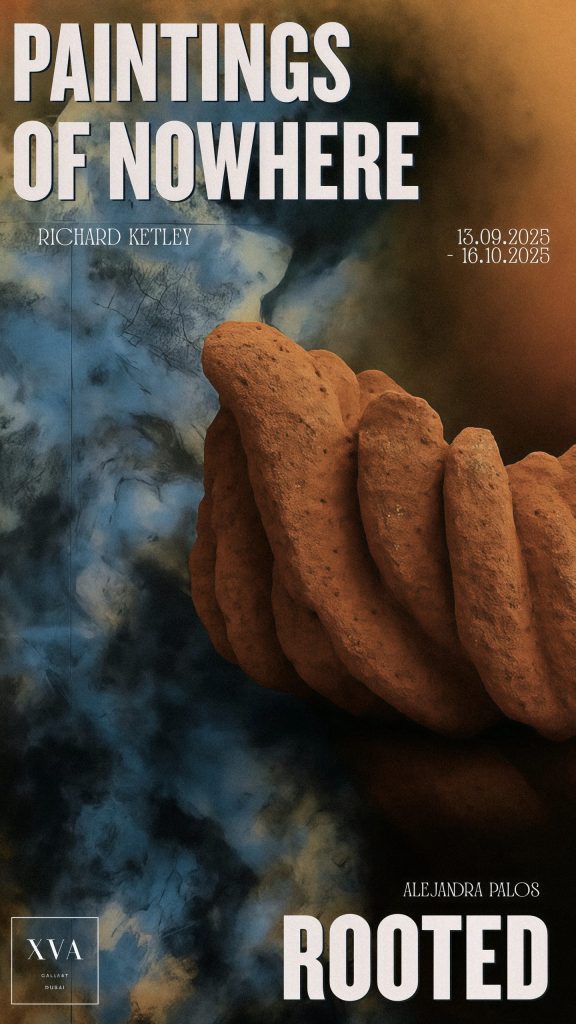
Paintings of Nowhere and Rooted
Coming up at XVA Gallery – “Paintings of Nowhere” by Richard Ketley, and “Rooted” by
Alejandra Palos
Join us from September 13 to October 16, 2025, as we explore how these two artists share and transform our gallery space—revealing the ways their work resonates, contrasts, and connects.
Curatorial Statements
Paintings of Nowhere by Richard Ketley
In “Paintings of Nowhere,” Richard Ketley unveils a stunning collection of abstract works, born from the very essence of his journeys into the rugged, silent heart of the United Arab Emirates.
Ketley, an artist deeply moved by the unseen energies and ancient narratives embedded within the landscape, found his muse not in the bustling metropolises, but in the stark beauty and
ethereal quiet of the UAE’s interior, most notably the majestic Hajar Mountains. Through his unique lens, these imposing peaks and expansive, empty spaces are not merely geographical
features but conduits to a deeper understanding of existence. His works, rendered exclusively in a powerful monochrome palette, pulsate with the raw textures and nuanced shades that
echo the rubble of the desert, the mountains’ unyielding stone, revealing a universe of form and depth within the absence of color. “Paintings of Nowhere” is an invitation to shed the confines of the familiar and embrace a journey into the abstract. Each striking black and white piece serves not as a portrait of a place, but as a meditation on its spirit – a visual symphony of the light, the shadow, the monumental scale, and the profound sense of timelessness that defines these often-overlooked territories. Prepare to discover the “nowhere” that resides within the very heart of the UAE, revealed through Ketley’s hand.
Rooted by Alejandra Palos.
Cement holds the memory of the earth. An industrial yet earthen material shaped by ancestral echoes. These sculptures carry the sense of being woven into something larger: the land
beneath us, the stories that guide us, and the generations whose presence still moves quietly through our lives. Each piece captures a phase in the journey of transformation. Solid yet
breathing in form, they invite us to pause and feel the quiet continuum between all who came before and all still to come.
About the Artists
Richard Ketley was born in 1964, Johannesburg, South Africa. Lives between Johannesburg and Dubai. Richard has painted since a young age and held his first solo exhibition while in
school at Hyde Park High School, Johannesburg. During his early years he exhibited at Artist in the Sun, the Sandton Gallery, Johannesburg, and also participated in an exhibition at the
National Galley in Kampala, Uganda. Today Richard works principally in charcoal, acrylic and oil and seeks to develop images that are drawn from life but extend the viewer’s imagination.
When not painting, Richard runs a consulting business, which opened its Dubai office in 2009.
Alexandra Palos was born in 1971 in Caborca, Mexico. She has lived in Geneva, Switzerland, Sendai, Japan and currently resides in Dubai.
Alejandra sees the universe through the matrix of multiculturalism, and this has gifted her with a special perception of the world. Over twenty years she has focused on the arts and
participated in specialty courses, by international experts to enrich herself. A very important period of her artistic career was the one while living in Japan – land of silence, beauty and Zen
– where she presented a Solo exhibition. She enjoys working with a wide range of materials like old wood, cement, recycled metal and everyday objects. Alejandra’s sculptures and
commissioned art installations have been presented and awarded in Solo and Collective Exhibitions in prestigious venues as: The regional Museum of Anthropology and History and at
the city theater of La Paz Baja California Sur, Mexico; In Universities, Galleries and Art Fairs across Mexico; Port Louis, Mauritius; New York, USA; Beirut, Lebanon; as well as across UAE in
Dubai, Ras Al Khaima, Um Al Quwain and Abu Dhabi.
About XVA Gallery
XVA Gallery is one of the leading galleries in the Middle East that specializes in contemporary art from the Arab world, Iran, and the Subcontinent. Exhibitions focus on works by the region’s
foremost artists as well as those emerging onto the scene. The gallery’s artists express their different cultural identities and perspectives while challenging the viewer to drop prejudices and borders. XVA Gallery and XVA Art Hotel are located in Dubai’s heritage district, now called Al Fahidi Historical Neighborhood. XVA founded and organized the Bastakiya Art Fair from 2007-2010 as part of its commitment to raising the profile of contemporary art practice in Dubai.
For more information:
Carina Vicente
Gallery Co-ordinator
Email: carina@xvagallery.com
T: 04 353 5383 M: +971 56 959 8268
The exhibition in view.